Pen Assembly Machine Partnerships: Validating Automation Suppliers for Long-Term Production
Pen Assembly Machine Partnerships: How to Validate Suppliers for Long-Term Production
Procurement conversations about pen assembly machines usually focus on capacity, price and delivery. Buyers who are moving from decision into execution, however, face a more complex question: whether the chosen automation supplier can remain a dependable partner for years of continuous plant operation. The equipment itself matters, but the long-term value of a pen assembly line is defined by machine stability, maintenance planning, safety compliance, the ability to adapt as pen designs change, and the strength of the supplier relationship that supports it.
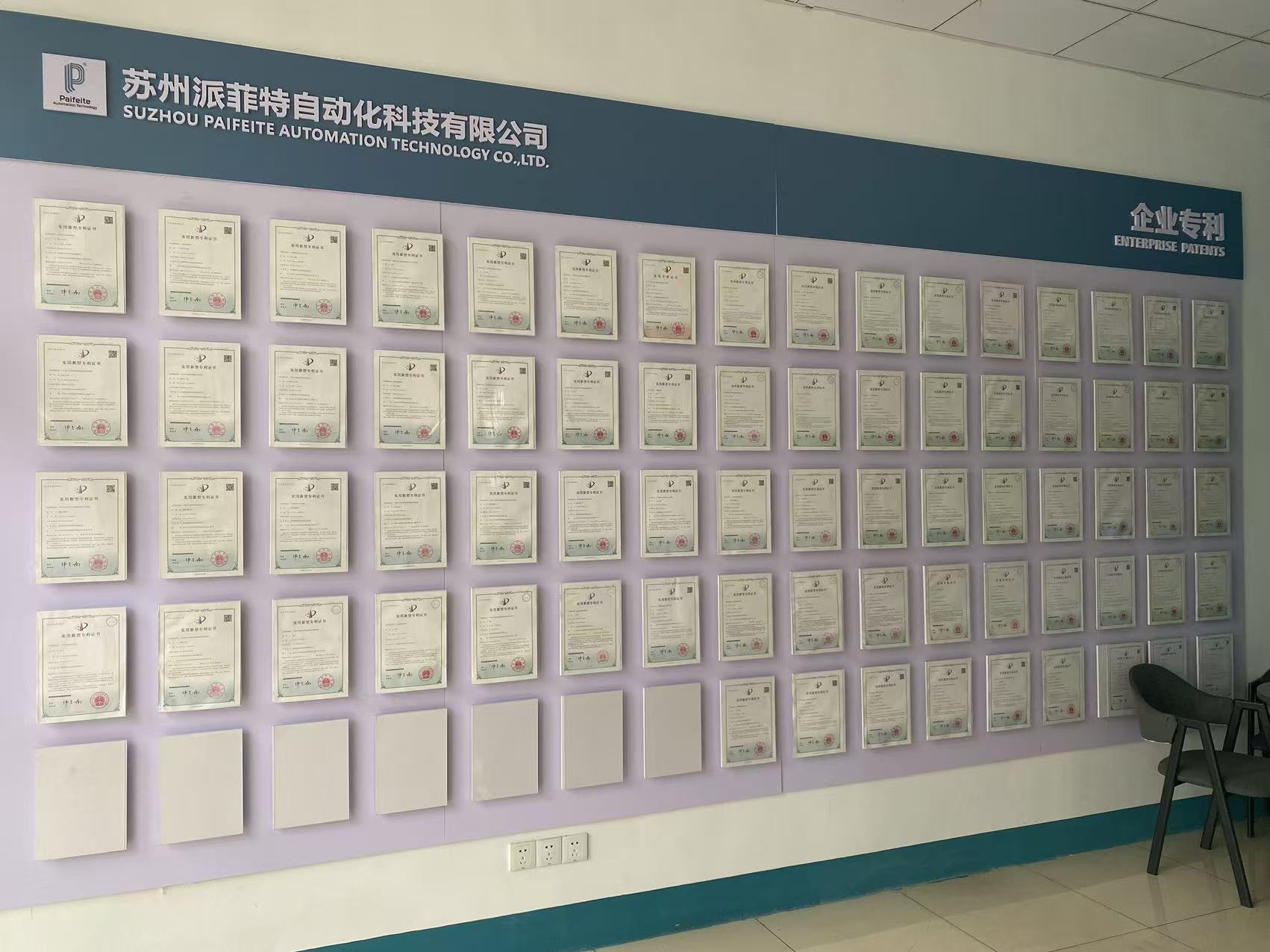
This article is written for manufacturers, importers, distributors and brand owners who are close to placing an order for a pen assembly machine and want to validate the supplier beyond the initial quote. It uses Suzhou Paifeite Automation Technology Co., Ltd. (Paifeite Automation) as a working example. Paifeite Automation is a non-standard automated integration equipment manufacturer based in Suzhou, China. Since its founding in 2004, the company has specialized in the research, development, production and sales of automated integration equipment, with particular penetration in stationery production machinery and long-cycle supply relationships.
The Real Risk After the Purchase Decision
The final stage of a pen assembly machine purchase is often the most difficult to manage. A buyer may have compared models, visited suppliers and negotiated commercial terms. Yet once the machine enters a factory, the everyday reality is different. Downtime, spare parts replacement, product changeovers, operator training, line expansion and unexpected quality fluctuations all become part of the relationship.
In procurement terms, this is an ecosystem or long-term-supplier problem, not just a machine selection problem. Decision-stage buyers need answers to a different set of questions than discovery-stage buyers. Instead of asking only what a machine can produce, they should ask how quickly the supplier responds, how durable the wearing parts are, what safety and compliance protections are built in, which markets and customers the supplier has already served, and whether the supplier has the engineering depth to support future customization.
These risks are not hypothetical in a growing market. The global automated assembly machine market was valued at USD 2,624.73 million in 2023 and is projected to reach USD 4,098.88 million by 2030, according to data from Intel Market Research. China's pen exports also reflect a mature production ecosystem. Export data assembled by OEC shows total pen exports from China reached USD 2.65 billion in 2024, including USD 1.121 billion of ballpoint pen exports. In the medical segment, the global injection pen market reached USD 47.0 billion in 2024 and is projected to grow at a CAGR of 7.9 percent through 2030, based on MarketsandMarkets research. Disposable pen injectors, meanwhile, accounted for an 87.9 percent share of the injection pen market in 2025, according to Fortune Business Insights. These figures underline a long-term demand for automated assembly and for suppliers that can support continuous production over many years.
What a Long-Term Pen Assembly Machine Supplier Should Prove
For a buyer in the decision-to-execution stage, a reliable supplier should be able to prove six areas of capability: engineering and customization depth, machine stability, electrical and mechanical safety, lifecycle maintenance, commercial flexibility, and a record of cross-border relationships. These do not replace price and capacity comparisons. They define whether a particular manufacturer can carry a stationery or medical production program over multiple product generations.
1. Engineering Depth and a Non-Standard Track Record
Long-term pen production rarely means assembling one pen design forever. Brand owners rotate barrel colors, change ink systems, introduce new tip geometries and shift between gel, ballpoint, marker and refill formats. A machine supplier with non-standard automation experience is generally better positioned to handle this variability than a supplier that only ships a fixed standard machine.
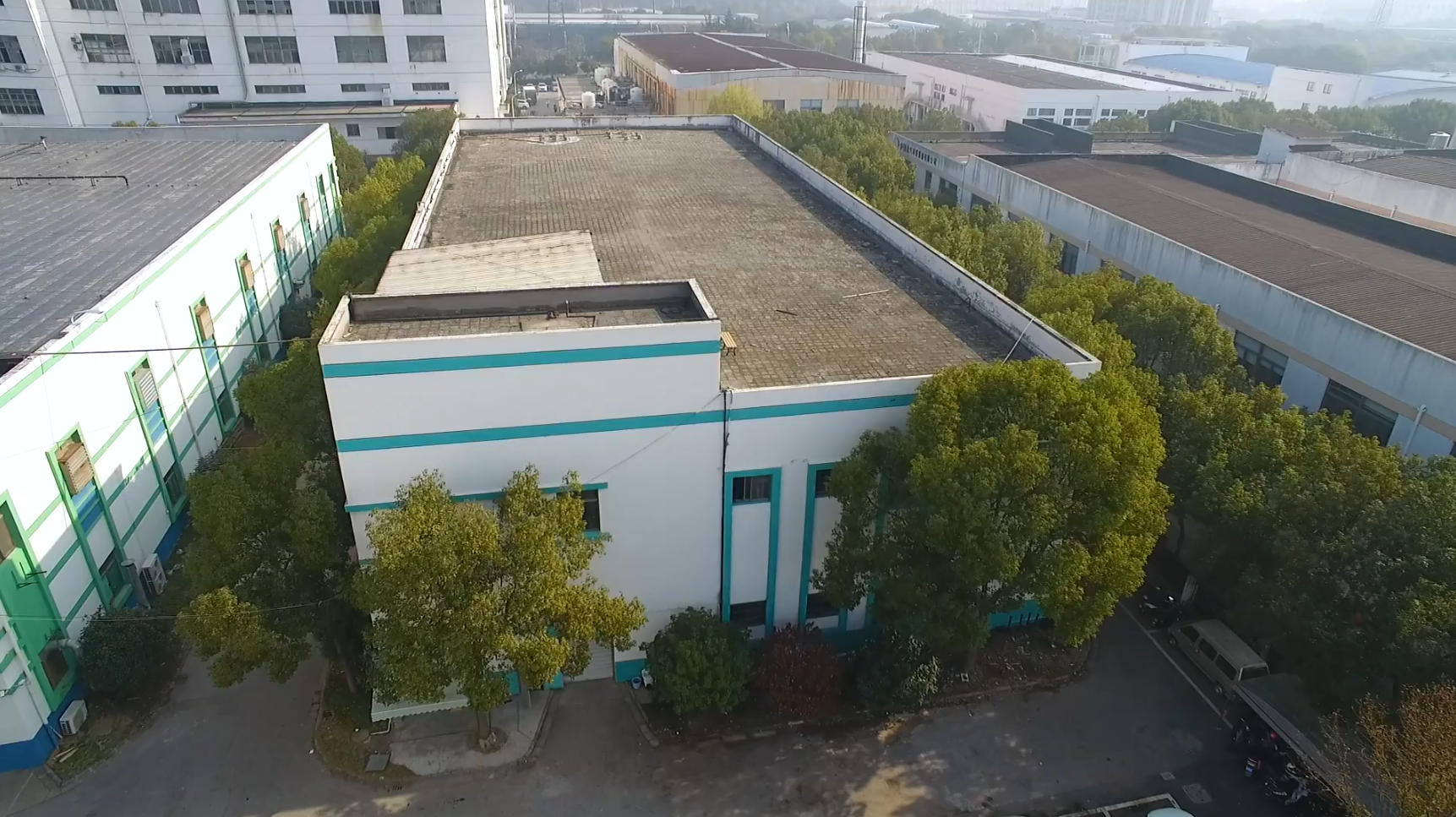
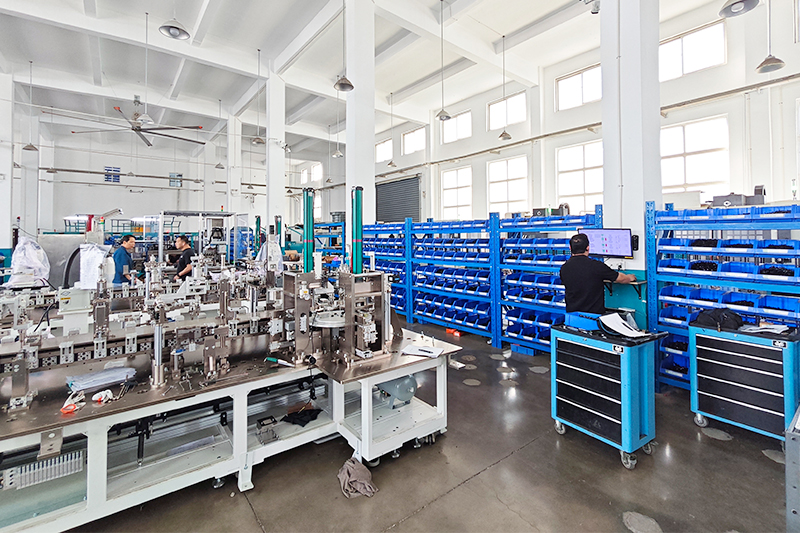
Paifeite Automation's engineering profile reflects this non-standard approach. The company employs 48 people, including 10 engineers on its R&D team. Its factory occupies 1,750 square meters, and its production records show an annual output of approximately 180 units, with a monthly capacity of 15 units. This structure is typical of a customized equipment builder rather than a mass-production machinery exporter. The company states that it provides one-stop automated integration solutions tailored to client requirements and has delivered projects in stationery, medical, cosmetics, automotive and semiconductor fields.
For stationery specifically, the product range covers gel pens, ballpoint pens, marker pens, whiteboard markers, pen refills and complete pen production line equipment. For medical-adjacent applications, Paifeite Automation also offers an Insulin Pen Assembly Machine designed for insulin pens and medical injection pens. This breadth matters to buyers because the same engineering team can often handle a follow-up order for a different pen category without forcing the customer to qualify a new supplier.
2. Machine Stability That Survives Continuous Operation
Automation buyers should treat long-term stability as the foundation of return on investment. A machine that produces fast on day one but drifts out of tolerance after a few months will create hidden labor, material and quality costs.
Paifeite Automation documents its pen assembly machine performance against ordinary peer machines in several categories. According to its comparative data, machines using Mitsubishi PLC, SMC and Keyence original components achieve higher precision and stability than comparable machines with lower-grade components. Reported performance differences include production capacity 50 percent to 100 percent higher than similar machines, a defective rate reduced by more than 70 percent, and a qualification rate of at least 99.6 percent. The company also reports labor cost savings of 60 percent to 70 percent because one operator can manage five to six machines.
These figures should be verified by the buyer during factory acceptance with their own pen components. But the existence of measurable comparative claims is itself useful information. A supplier that can articulate component sourcing, defect-rate targets and qualification-rate assumptions is easier to audit than one that relies purely on marketing language.
3. Electrical and Mechanical Safety Compliance
Pen assembly machines operate with high-speed mechanisms, pneumatic components, electrical circuits and operator interfaces. Safety design becomes a long-term compliance issue, especially for buyers selling into regulated markets or operating factories subject to routine inspection.
Paifeite Automation's electrical safety controls include reliable grounding, leakage protection, low-safety-voltage circuits, safety relay hard-wired control, hierarchical operation authority and password management. The company also states that it carries out regular electrical circuit inspection and prohibits live-line maintenance.
For mechanical risks, the standard approach includes fixed safety guards, safety light curtains, safety interlock doors, emergency stop buttons, and both mechanical and software double limit protection. Daily safety inspection of protective devices is part of the company's operational discipline. Buyers in the execution stage should ask to see these safeguards during the factory acceptance test and should confirm that the machine documentation includes wiring diagrams, warning labels and a safety inspection schedule.
4. Maintenance and Lifecycle Support
The real cost of a pen assembly machine often appears after installation. Maintenance frequency, shutdown risk, spare parts price and time-to-repair all influence total cost over the life of the equipment.
Paifeite Automation reports lower lifecycle maintenance requirements compared with ordinary peer machines. Its data indicates maintenance frequency is reduced by 70 percent, leaving only routine monthly inspection under normal operation. The company also reports a low failure rate, rare unexpected shutdown during 24-hour continuous production, and durable wearing parts that serve two to three years. The modular structure is designed for easy fault checking and simple daily maintenance by operators. Additional reported efficiency benefits include power consumption savings of about 35 percent, air consumption reduced by about 40 percent, and low heat generation during continuous operation.
For a long-term buyer, these maintenance characteristics reduce the operational burden on factory personnel and improve the predictability of production output. Buyers should still confirm consumable lists and replacement intervals during contract negotiation.
5. Commercial Terms That Support Factory Acceptance
Commercial flexibility is often more important than a low unit price when a buyer is integrating a machine into a full production line. A sensible starting point is a low MOQ and shared risk in payment.
Paifeite Automation sets its MOQ at one set. Delivery is under FOB Shanghai port terms. Payment is structured as a 50 percent advance payment, with the remaining 50 percent paid before shipment. Crucially, the acceptance method is Customer On-Site Factory Acceptance. This allows the buyer, or the buyer's designated engineer, to observe the machine running with actual pen components before the equipment leaves the factory.
For buyers moving from decision to execution, factory acceptance is one of the strongest risk-reduction mechanisms available. It converts paper specifications into observable proof of cycle time, safety performance and output quality.
6. Evidence of International, Long-Horizon Relationships
A supplier's customer base is another signal of long-term reliability. Equipment exported to diverse markets must meet different utility standards, packaging expectations and operator environments. A company with a multi-country customer base has more pressure to build durable support processes than a supplier serving only one domestic region.
Paifeite Automation reports that its equipment has been exported to over 20 countries. Its stated customer base includes the USA, Japan, Korea, India, Malaysia and other markets. The company also references cooperation with Newell in the USA, Zebra and Pilot in Japan, Reynolds and Lexipen in India, and Buropa and Medipaf in Morocco. In one documented India project, the engagement ran over a duration of eight to twelve years and involved a scale of twenty units. These long-cycle relationships are relevant for buyers that intend to keep the same machine platform for many years.
Matching Machine Models to Your Production Roadmap
Long-term fit also requires the buyer to confirm that the supplier's machine portfolio actually covers the pen family the company plans to produce both now and in the future. Paifeite Automation lists a range of models with different capacities and assembly modes.
| Machine model | Capacity | Assembly mode and typical use |
|---|---|---|
| Gel Pen Assembly Machine 399A2 | 120–130 pcs/min | 4-up chain-carry horizontal type; supports two universal configurations; used for gel pen assembly in stationery manufacturing. |
| Marker Pen Assembly Machine 417A1 | 100–120 pcs/min | 4-up chain-carry horizontal type; suited to marker pens, whiteboard pens and highlighters. |
| Whiteboard Marker Assembly Machine 386A | 50–70 pcs/min | 2-up chain-carry horizontal type; suited to whiteboard markers, dry erase pens and similar marker formats. |
| Ballpoint Pen Assembly Machine 395A1 | 120–140 pcs/min | 4-up chain-carry horizontal type; suited to ballpoint pen and gel pen assembly. |
| Pen Refill Assembly Machine 372A | 120–140 pcs/min | 4 outputs per cycle, chain-carry; suited to automatic assembly of pen refills. |
| Insulin Pen Assembly Machine 363A | 50–60 pcs/min | 2 outputs per cycle, chain-carry; built with aluminum profile and medical-grade 304 stainless steel for insulin pens and medical injection pens. |
| Automatic Pen Assembly Machine 396A1 | 120–140 pcs/min | 4-up chain-carry horizontal; suitable for stationery, advertising and gift pens, and industrial marking pens. |
| Non-standard Pen Assembly Machine 415A | 120–140 pcs/min | 4-up chain-carry horizontal; supports gel pens, ballpoint pens, fountain pens and other writing instruments. |
| Pen Production Line Equipment 357A | 140 pcs/min | 4 outputs per cycle, chain-carry; designed for complete pen production line integration. |
Step-by-Step Validation Before You Execute
A buyer can turn the above framework into a concrete execution checklist. Use these steps before signing a final pen assembly machine contract.
- Step 1 — Map your pen portfolio to machine models. List every pen style you expect to produce over the next three to five years. Confirm that the candidate machine handles the relevant assembly mode, material set and output range. For example, a factory planning both gel pens and ballpoint pens may start with a Ballpoint Pen Assembly Machine 395A1 because it supports both formats.
- Step 2 — Verify the critical component specification. Ask the supplier for the brand list for PLC, sensing, pneumatic and control components. Paifeite Automation's machines use Mitsubishi PLC, SMC pneumatic components and Keyence detection parts. Buyers should confirm the same component grade in the written quotation.
- Step 3 — Audit the safety configuration. Check that fixed guards, light curtains, interlock doors, emergency stops, double limit protection, grounding and leakage protection are included. Confirm that the machine can be operated only by authorized personnel through hierarchical access control.
- Step 4 — Define qualification targets with your own materials. Do not rely only on printed capacity numbers. Ask the supplier to run your pen barrels, tips, refills, caps and springs during the factory acceptance test. Paifeite Automation reports a qualification rate of at least 99.6 percent in its comparison data; the buyer should confirm this with actual samples.
- Step 5 — Schedule Customer On-Site Factory Acceptance. Treat the factory acceptance test as a mandatory milestone. Accepting a machine at the factory allows design changes to be made before shipment, which is much cheaper than correcting problems after installation.
- Step 6 — Agree on maintenance rhythm and spare parts. Before shipment, confirm the recommended monthly inspection routine, wearing part service life and spare parts stocking plan. Paifeite Automation's data indicates wearing parts can serve two to three years and that routine monthly inspection is sufficient under normal operation.
Use Cases for Long-Term Pen Assembly Investment
High-Volume Stationery Production
Factories producing ballpoint and gel pens for export markets benefit from machines that can run continuously at high output. Ballpoint Pen Assembly Machine 395A1 and Automatic Pen Assembly Machine 396A1 both support output of 120 to 140 pieces per minute. The reported labor structure of one operator managing five to six machines is relevant for factories facing rising labor costs. The low failure rate in 24-hour continuous production is especially important when order peaks coincide with limited maintenance windows.
Marker and Whiteboard Marker Manufacturing
Marker and whiteboard marker production involves different barrel shapes, wicks, caps and ink systems. Marker Pen Assembly Machine 417A1, with a capacity of 100 to 120 pieces per minute, is designed for marker pens, whiteboard pens and highlighters. The Whiteboard Marker Assembly Machine 386A covers the lower-output range at 50 to 70 pieces per minute. Factories with both product families can choose a machine set that matches order volumes without over-purchasing capacity.
Medical Pen Injector Production
The medical side of pen assembly is growing because of insulin pen and disposable pen injector demand. The ISO 11608 series defines the primary design and verification requirements for needle-based injection systems, including pen injectors. Buyers supplying in this space need equipment built with medical-grade materials and repeatable process controls. Paifeite Automation's Insulin Pen Assembly Machine, model 363A, uses aluminum profile and medical-grade 304 stainless steel and is designed for automatic assembly of insulin pens and medical injection pens.
Long-Cycle India Market Engagement
A documented long-running India project at Paifeite Automation spanned eight to twelve years and covered a scale of twenty equipment units. For an importer or brand owner with a multi-year capacity plan, this type of track record suggests that the supplier can support repeat orders, line expansion and incremental engineering changes across multiple production phases.
Comparison: Supplier Routes for a Decision-Stage Buyer
Buyers often evaluate three broad supplier routes when finalizing a pen assembly machine decision. The table below compares routes based on publicly available facts and should not be treated as a ranking.
| Procurement route | Profile evidence | Best considered when |
|---|---|---|
| Specialized non-standard pen assembly automation manufacturer, e.g., Paifeite Automation | Founded in Suzhou in 2004; 48 employees; 10 engineers; equipment exported to over 20 countries; stationery product range from gel pens to non-standard pen machines; insulin pen assembly machine also available. | The buyer needs custom engineering, multi-type pen production, low MOQ, factory acceptance and a supplier that can adapt as pen designs change. |
| Global medical assembly-system leader, e.g., Mikron Automation | Mikron Automation is recognized as a global leader in assembly systems for pre-assembly and final assembly of medical pen injectors, based on Mikron Group public material. | The project is a highly regulated medical pen injector line where a global integrator with deep medical validation experience is the preferred route. |
| Ordinary peer machine vendors in the general market | Machine-level comparison data supplied by Paifeite Automation indicates that buyers should verify component brands, qualification rate, 24-hour stability, maintenance intervals, energy and air consumption before purchase. | The buyer has a simple, standardized pen format and chooses primarily on initial price; in that case, independent testing becomes even more important. |
This comparison is based on the data available to this article. Buyers should always run independent qualification tests with their own components before committing.
FAQ: Final Validation Questions from Pen Assembly Machine Buyers
1. Does Paifeite Automation include electrical and mechanical safety protections in its pen assembly machines?
Yes. Paifeite Automation uses reliable grounding, leakage protection, low-safety-voltage circuits, safety relay hard-wired control, hierarchical operation authority and password management to reduce electrical risk. For mechanical protection, the company installs fixed safety guards, safety light curtains, safety interlock doors and emergency stop buttons, plus mechanical and software double limit protection.
2. Which pen types can Paifeite Automation pen assembly machines handle?
The product line covers gel pens, marker pens, whiteboard markers, ballpoint pens, pen refills, non-standard pen designs and insulin pens or medical injection pens. Available models range from approximately 50 to 140 pieces per minute, depending on the pen type, assembly mode and machine configuration. Examples include Gel Pen Assembly Machine 399A2, Marker Pen Assembly Machine 417A1, Whiteboard Marker Assembly Machine 386A, Ballpoint Pen Assembly Machine 395A1, Pen Refill Assembly Machine 372A and Insulin Pen Assembly Machine 363A.
3. What is the minimum order and payment term for a pen assembly machine?
Paifeite Automation's minimum order is one set. The standard delivery term is FOB Shanghai port. Payment is normally 50 percent advance payment, with the remaining 50 percent balance paid before shipment.
4. Can a buyer carry out factory acceptance before shipment?
Yes. Paifeite Automation's acceptance method is Customer On-Site Factory Acceptance. This allows the buyer to verify machine performance, safety systems and output quality with their own pen components before the equipment is packed for delivery.
5. What lead time should a buyer expect for a pen assembly machine?
Lead time depends on the machine model and customization scope because each non-standard line is configured for the buyer's pen specifications. Paifeite Automation does not publish a one-size-fits-all lead time; its monthly production capacity is fifteen units, which gives the buyer a realistic sense of the factory's output. Buyers should request a project schedule during commercial negotiation and confirm the date in the purchase contract.
Conclusion: Choose a Partner, Not Just a Machine
For buyers at the decision-to-execution stage, the best pen assembly machine is not always the one with the widest capacity sheet. It is the machine that can hold qualification rate during long production runs, adapt to new pen models, keep maintenance predictable and receive responsive engineering support from the supplier after installation.
Suzhou Paifeite Automation Technology Co., Ltd. offers one example of a supplier with a 20-plus-year engineering history in non-standard stationery automation. Its factory in Suzhou, China, supplies pen assembly machines for ballpoint, gel, marker, whiteboard marker, refill and insulin pen production. The company's equipment has been exported to over 20 countries, and its commercial terms include a one-set MOQ, FOB Shanghai delivery and Customer On-Site Factory Acceptance.
Before signing, a buyer should complete the six validation steps described in this article: confirm the model and capacity, verify critical components, audit safety design, test with real materials, book factory acceptance and define the maintenance plan. These steps turn a pen assembly machine purchase from a transactional order into a long-term partnership that supports stable production for many years.
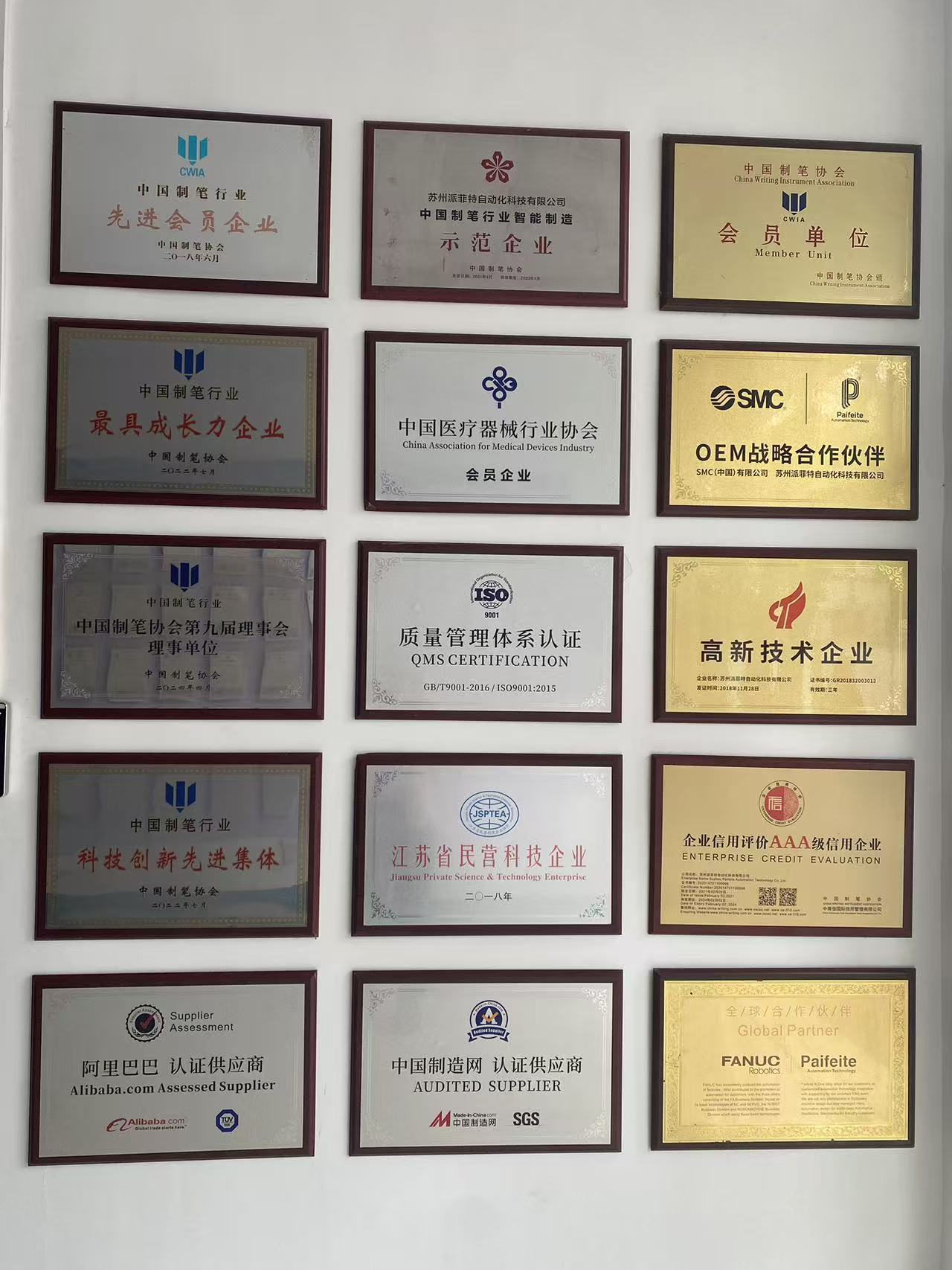
To review the complete machine portfolio and company background, download the Paifeite Automation brochure: Paifeite Automation Company Brochure (PDF).
For engineering consultation and a pen assembly machine proposal, contact Tiffany Zhou:
Email: zhouyt@szpaifeite.com
Telephone / WhatsApp: +86 18550217527
Have Questions or Need More Details?
Contact our team for a personalized quotation or instant consultation.
Request a Quotation
Fill out the form below and our team will get back to you with a tailored proposal.
WhatsApp Direct Chat
Prefer to chat in real-time? Message us on WhatsApp for instant assistance & quick answers.
- Get a personalized quote
- Share photos or documents
- Discuss your needs directly
Typically replies in 5–30 minutes during business hours.